
Guide · Digital strategy
Buy or build? How an SME should choose its software
There is no single answer. Six criteria for comparing the options with real figures and making the decision in phases, without dogma.
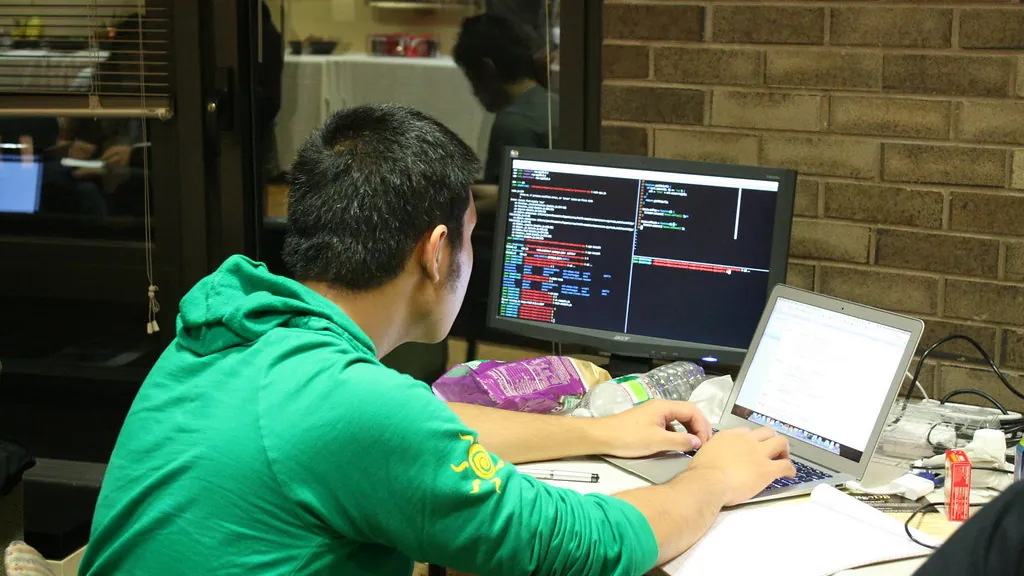
When an SME needs new software, to manage orders, quotes, stock or customer relationships, the question is usually framed as a straight choice: buy something that already exists or have it built. In practice there are three options, and the right decision depends less on technology than on how the business works and how much that particular process matters to it.
Three options, not two
- Off-the-shelf software: a standard product, often sold by subscription, that you configure but do not change. Quick to roll out, with maintenance handled by the vendor.
- Customised software: an off-the-shelf product extended with modules, add-ons or development on top of its platform. It combines a proven base with your own adjustments.
- Bespoke development: an application built around your process, which the business commissions and, if agreed, owns.
None is better in the abstract. Accounting software rarely justifies a bespoke build; the tool behind the particular way you price jobs or plan production may well do.
Six criteria for comparison
1. Total cost over several years
Compare over three to five years, not the first invoice. For off-the-shelf software, add up per-user licences or subscriptions, extra modules, implementation, training and likely price rises. For bespoke development, add up the build, hosting, corrective and evolutionary maintenance and security updates. Development does not end on the day of delivery.
2. Fit with the process
Ask yourself whether the way you work is an advantage or a habit. If it is a habit, adapting to standard software may be an improvement, since many products build in common industry practice. If it is what sets you apart from competitors, forcing it into a generic product has a cost that never appears on the invoice: parallel spreadsheets, manual steps and errors.
3. Dependence on the supplier
Consider what would happen if the supplier raised prices, changed its terms, stopped developing the product or went out of business. The same question applies to bespoke development: if only one person understands the code and nothing is documented, the dependence is just as great, or greater.
4. Who owns the data and the code
Before signing, check that the contract lets you export all your data in an open format, how quickly, and what happens to it when the relationship ends. With bespoke development, put in writing who owns the code, that you receive the source code with its documentation, and that another team could maintain it.
5. Integration with what you already have
Software that stands alone means copying data by hand. Check what connections each option offers (documented APIs, file import and export, connectors to your ERP, online shop or email) and who maintains them when one side changes.
6. Timing
Off-the-shelf software can be up and running within weeks; bespoke development needs more time to specify, build and test. If the need is urgent, starting with a standard product and revisiting the decision later may be the sensible course.
A decision in phases
The aim is not to choose for ever, but to decide the next phase with the information you have today.
An order that tends to work:
- Describe the process as it is today, exceptions included, and what it costs you in time or errors.
- Try two or three off-the-shelf products with real cases from your business, not just the sales demo.
- Note what is left uncovered and how much it matters day to day.
- If the gap is small, buy or customise. If it is the core of the business, consider a tightly scoped bespoke build, starting with a small first version.
- Review the decision after a few months, using real usage data.
The answer is often a mix: standard software for the common ground, such as accounting, payroll or email, and a well-integrated bespoke piece for what makes you different.
The value of an outside view
The comparison should start from your process, not from the seller’s catalogue. As part of our digital strategy service, we look at how you work today, compare off-the-shelf and bespoke options with their costs over several years, and give you a phased plan.
Contact
Torn between buying and building?
We can help you compare off-the-shelf options and custom development for a specific process, with the estimated cost over several years.